Per Danmarks Statistik-based data, 2024
Chef salary in Denmark
Danish kitchen pay sits below the national average but above most of Europe: cooks earned an average of about 35,150 kroner a month in 2024, per DST's wage tables as compiled by apiarata - against the all-employee average of 51,675 kroner - with the trade's band running from roughly 25,000 to 40,000 kroner depending on experience and workplace. Here is how the number is built.
By the NordicPay editorial team · Updated $1
Key numbers at a glance
| Benchmark (gross, full-time) | DKK / month | Source |
|---|---|---|
| Cook (kok), average | ≈35,150 | per DST LONS20 tables, 2024 |

Chef salary in Denmark: the numbers
DST's wage statistics (the LONS20 occupational tables, tracked 2013-2024) put the average Danish cook at 35,152.50 kroner a month for 2024, per apiardata's compilation of the official tables. Union guides to the trade describe the central band running between 25,000 and 33,900 kroner, with the full spread - from unskilled kitchen assistants to head chefs - reaching about 40,000 kroner a month before supplements. Hourly rates for cooks cluster near 122-133 kroner, per Glassdoor's Danish data, which annualises to the same monthly range.
The 2024 figures predate the full effect of recent hospitality settlements, which raised minimum rates across the restaurant agreements; verify current bands with HK Service or the employer associations, since the trade reprices annually. Copenhagen's restaurant scene - from new-Nordic institutions to neighbourhood bistros - pays the top of the band and expects intensity, while institutional kitchens in municipalities and hospitals pay agreement rates with daytime hours, paid overtime and public-sector pension. Supplementary pay is structural: evening, weekend and holiday rosters carry percentage premiums under the collective agreement.
| Band | DKK / month | Basis |
|---|---|---|
| Cook, average (2024) | ≈35,150 | per DST LONS20 tables |
| Central trade band | 25,000-33,900 | per union guides |
| Full spread incl. head chefs | up to ≈40,000 | per union guides |
| Hourly equivalent | ≈122-133 / hour | per Glassdoor Denmark data |
| National average, all employees | ≈51,675 | per DST, 2024 |
Kitchen pay is the most standardised trade in the Nordics, so the four-way comparison is genuinely informative: see chef salary in Sweden, chef salary in Norway and chef salary in Finland, or an hourly-rated trades alternative in electrician salary in Denmark.
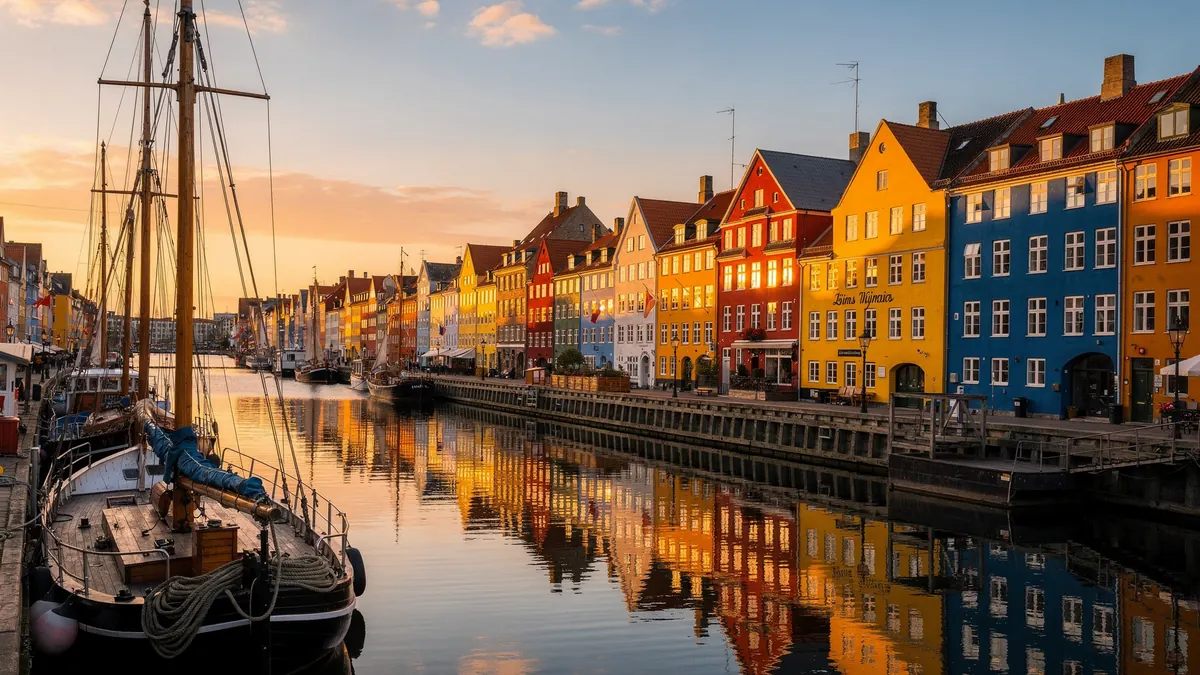
Copenhagen kitchens versus the rest of the country
Copenhagen concentrates both the glory and the money: the city's fine-dining tier pays the top of the band and adds service-sharing in some houses, while its hotel and venue kitchens run the richest supplement schemes in the country. Outside the capital, the trade's best-paid stable jobs are institutional - municipal kitchens, hospitals and workplace canteens - where agreement rates, paid overtime, pension and no late nights compensate for a lower headline figure. The apprentice route (erhvervsuddannelse as kok) starts on apprentice rates but locks in the qualification that the whole band assumes.
For internationally trained cooks, Danish employers assess foreign cookery certificates case by case; EU vocational qualifications generally map onto the kok apprenticeship papers, and the sector's permanent labour shortage makes employers pragmatic - practical English works in Copenhagen kitchens, while Danish helps everywhere else. The four-country comparison is on the NordicPay hub.
How taxes and benefits shape take-home pay in Denmark
Denmark's 2026 tax reform re-cut the top of the system, but the base was always the same. A labour market contribution (AM-bidrag) of 8 percent comes off essentially all employment income before anything else. Then bottom-bracket tax of 12.01 percent applies to personal income up to about 641,200 kroner in 2026, on top of municipal income tax that averages roughly 25 percent. Above 845,544 kroner of personal income measured before the AM contribution, the reformed brackets add a 7.5 percent middle tax and a 7.5 percent top tax, a further 5 percent top-top rate starts above 2,592,700 kroner, and a legal ceiling caps the total marginal rate at 52.07 percent - all per skat.dk's 2026 rates.
Danes trade high taxes for the least itemised welfare in Europe: healthcare is tax-funded with no employee premium, you accrue paid holiday at 12.78 percent of holiday-earning income and take five weeks, and almost all employees are covered by a collective agreement with overtime, evening and weekend supplements even without union membership. Employers typically pay pension on top of gross - often 12 percent or more of the wage in total once your own contribution is counted, with the employer paying the larger share. A single cook on 35,150 kroner a month keeps roughly 21,500-22,500 kroner - an effective rate near 36 percent at that income once allowances are counted; supplement-heavy months raise both gross and net. Foreign specialists and researchers can in some cases use the 27 percent expat tax scheme - check the current income ceiling on skat.dk before comparing offers. Holiday accrues at 12.78 percent in Denmark too - the fifth week is statutory, and kitchen staff on rotating rosters bank the supplements into the holiday base.
| Tax / deduction | Rate 2026 | Applies to |
|---|---|---|
| Labour market contribution (AM-bidrag) | 8.0% | all employment income, off the top |
| Bottom-bracket tax | 12.01% | personal income up to ≈DKK 641,200 (2026) |
| Municipal income tax | ≈25% average | varies by municipality |
| Middle + top brackets | 7.5% + 7.5% | above DKK 845,544 personal income (2026) |
| Marginal rate ceiling | 52.07% | legal maximum across all brackets, 2026 |
Withholding is set annually through your preliminary income registration (forskudsopgørelse) and trued up in your annual statement, so run your case in the calculators at skat.dk. The salary benchmarks on this page come from Statistics Denmark (DST). More Nordic comparisons wait on the NordicPay hub.

FAQ
How much does a chef earn in Denmark?
Per DST's occupational wage tables, Danish cooks averaged about DKK 35,150 a month in 2024. The central band runs DKK 25,000-33,900, the full spread including head chefs reaches about DKK 40,000, and evening, weekend and holiday supplements are paid on top.
What is the minimum wage for chefs in Denmark?
Denmark has no statutory minimum wage; the hospitality collective agreements set the floor. Minimum rates have risen in recent settlements, so 2024 statistics understate current entry pay - verify the current agreement rates with HK Service or the employer association before accepting an offer.
How much tax does a chef pay in Denmark?
A single cook on DKK 35,150 keeps roughly DKK 21,500-22,500 a month - an effective rate near 36 percent, comprising the 8 percent AM contribution, 12.01 percent bottom-bracket tax and municipal tax near 25 percent, softened by the personal allowance.
Do Copenhagen restaurants pay chefs more?
Yes - the capital's fine-dining and hotel kitchens pay the top of the trade band and run the richest supplement schemes, with service-sharing in some houses. The trade-off is intensity and Copenhagen housing costs; institutional kitchens elsewhere offer steadier conditions.
Is chef pay higher in Denmark than in Sweden, Norway or Finland?
Denmark sits mid-table: ≈DKK 35,150 against Swedish averages of SEK 31,400-32,800, Norwegian agreement minimums from NOK 35,700 with market pay around NOK 40,000-45,000, and a Finnish median near EUR 2,700. Norway's floor is nominally the highest - see the NordicPay country pages for the full picture.
Can a foreign cook work in Denmark?
Yes - kitchens are among the most internationally staffed workplaces in Denmark, and the trade's permanent shortage makes employers pragmatic. EU cookery certificates generally map onto the Danish kok qualification; practical English suffices in Copenhagen kitchens, and Danish helps strongly elsewhere.